Mount Gede Pangrango: West Java's Iconic Twin Volcanoes

Photo gallery
- Location
- West Java (Bogor, Sukabumi, Cianjur)
- Mount Gede Elevation
- 2,958 m
- Mount Pangrango Elevation
- 3,019 m
- Distance from Bandung (Cibodas)
- 89 km
- Travel Time from Bandung
- 4-6 hours drive
- Typical Climbing Cost (WNA, 2D/1N)
- $24.17 as of October 2026
- Time Needed for Climb
- 2 days, 1 night
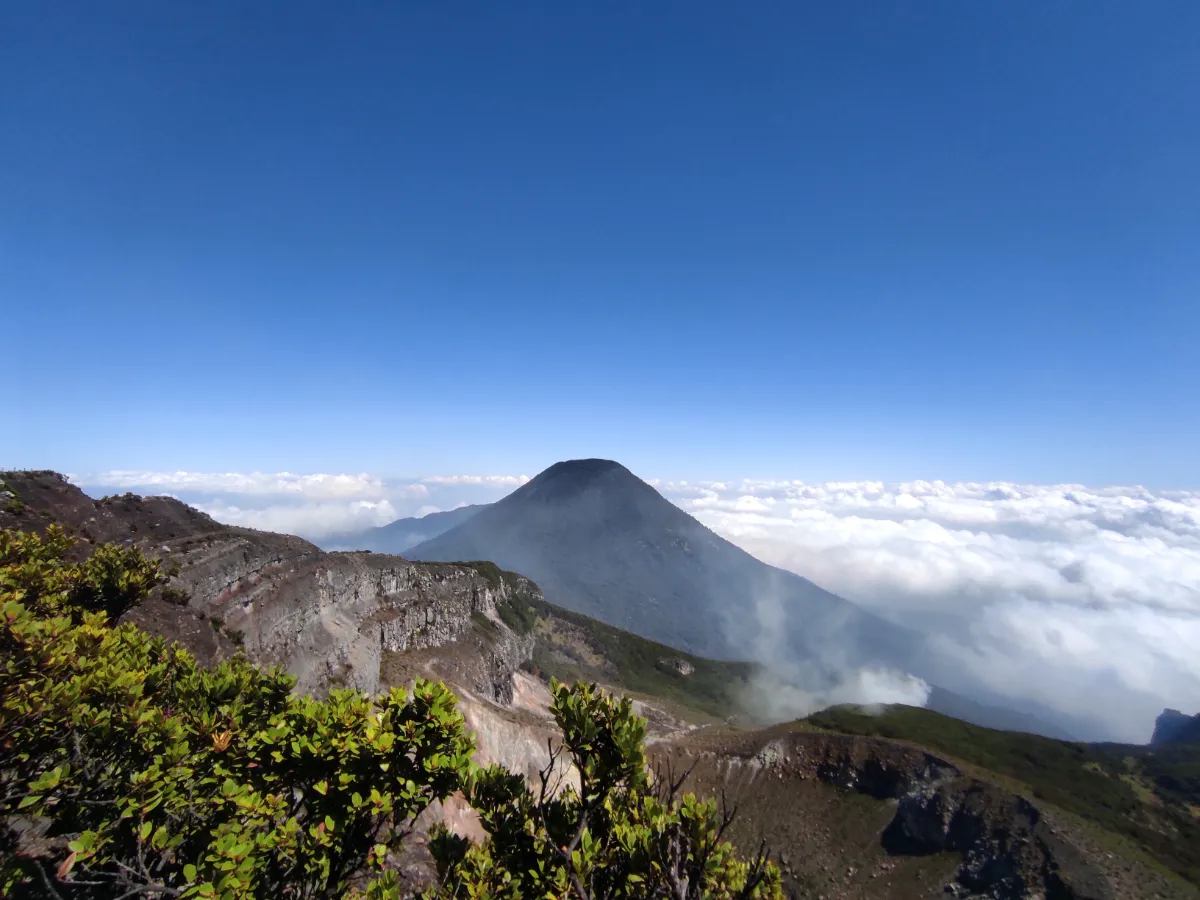
Mount Gede Pangrango is a premier hiking destination in West Java, home to two prominent volcanoes: Mount Gede (2,958 m) and Mount Pangrango (3,019 m). This area is part of the vast Gunung Gede Pangrango National Park (TNGGP), offering challenging trails, diverse ecosystems, and the reward of stunning sunrises from its peaks. A typical climb to the summit usually requires a two-day, one-night expedition.
How to Get to Mount Gede Pangrango from Bandung?
To reach Mount Gede Pangrango from Bandung, the most common route is to drive via Cianjur to the Cibodas entrance. The journey covers approximately 89 km and takes about 4–6 hours by private vehicle, depending on traffic and specific route conditions. For those preferring public transportation, you can travel from Bandung to Cianjur, then continue to Cipanas or Cibodas using local public transport, though this will generally take longer than driving.
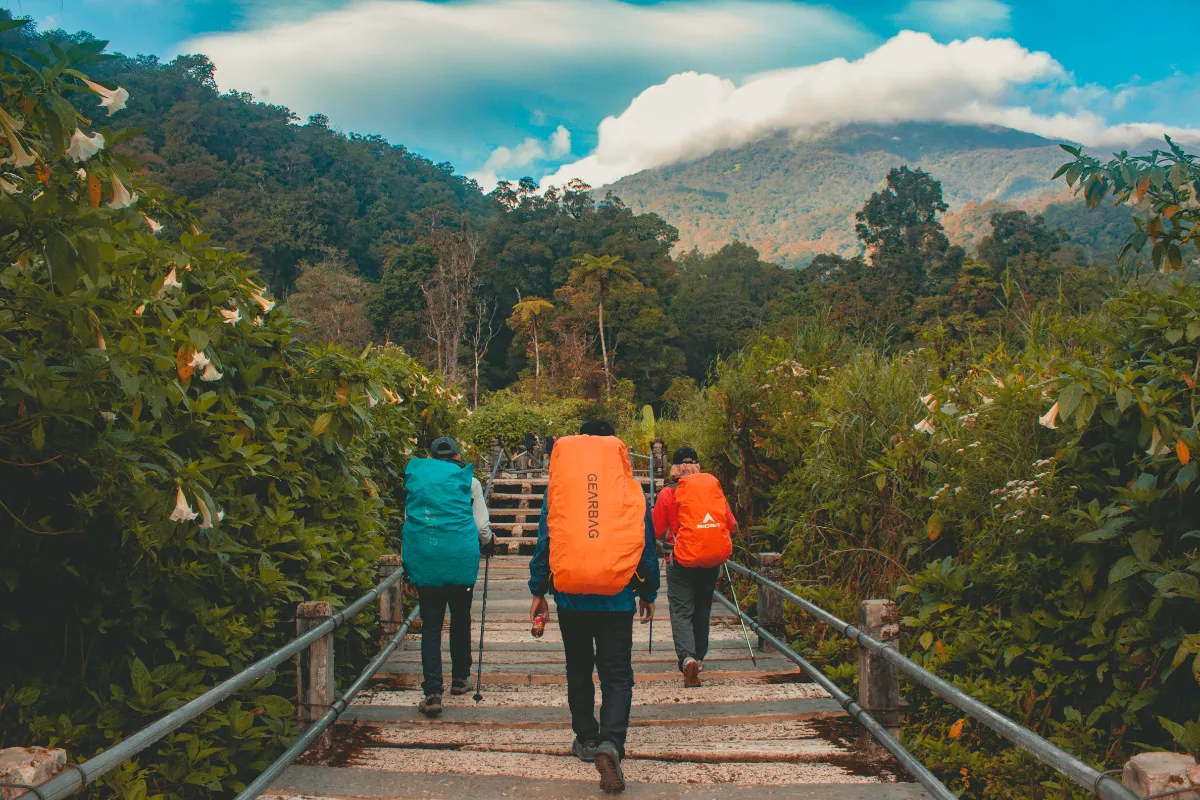
Upon arrival at the TNGGP Cibodas entrance, all visitors must register and undergo a health check before starting their trek. Online booking for climbing permits is highly recommended, as daily quotas for hikers are limited to about 600 people.
When is the Best Time to Visit Mount Gede Pangrango?
While Mount Gede Pangrango is accessible year-round, local team insights suggest that avoiding the peak rainy season offers a more comfortable and safer climbing experience. The weather at higher altitudes can be cold, foggy, rainy, and windy, particularly around Alun-alun Suryakencana. It's crucial to check weather forecasts and any volcanic activity warnings before planning your trip.
For a more relaxed experience, a two-day, one-night trip is ideal, allowing time to camp at designated spots like Kandang Badak or to visit Alun-alun Suryakencana. Very fit hikers may complete the ascent and descent in one full day by starting very early. Weekends and national holidays tend to be significantly more crowded, and securing a climbing slot through online booking is crucial.
What Can You See and Do at Mount Gede Pangrango?
The Gunung Gede Pangrango National Park offers a variety of attractions, from serene lakes to challenging summit treks. Here are some highlights:
Telaga Biru (Blue Lake)
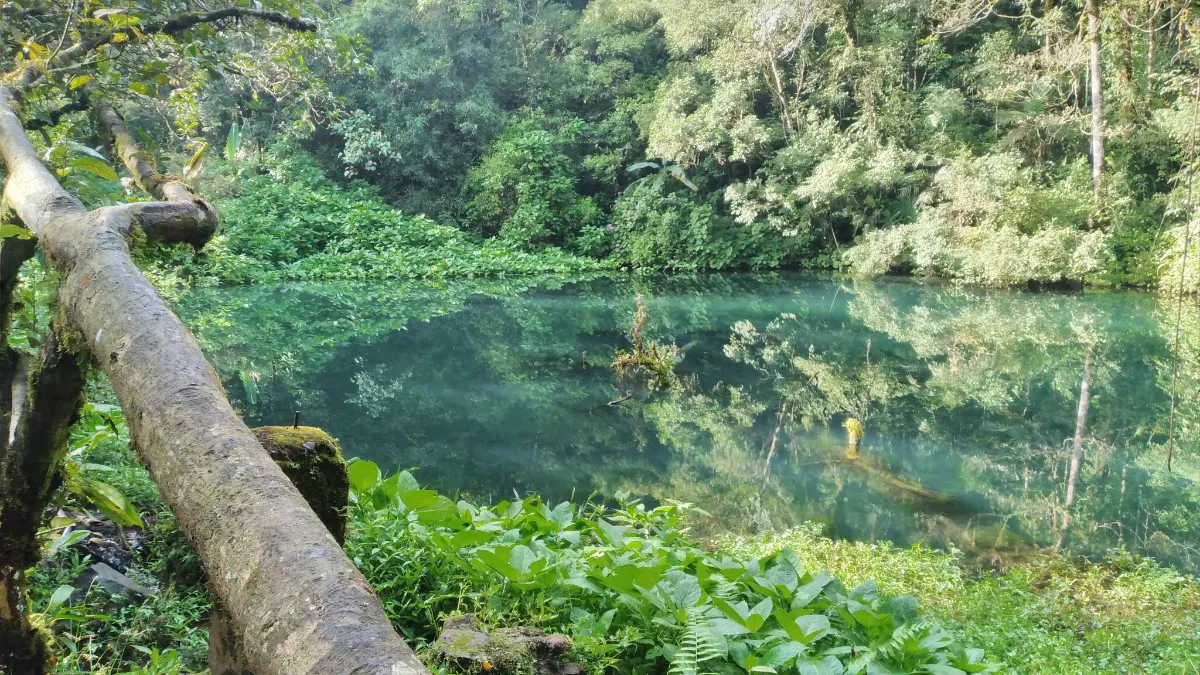
Located along the popular Cibodas trail, Telaga Biru is a small, clear lake with naturally blue waters, surrounded by dense mountain forest. It serves as a favored resting spot for hikers before continuing their journey upwards. Take about 30 minutes here to enjoy the tranquility. Entry is included with your climbing or day-visit permit.
Air Terjun Cibeureum (Cibeureum Waterfall) and Danau Situgunung
For those not aiming for the summit, Air Terjun Cibeureum offers a rewarding one-day nature trip. This waterfall consists of three converging streams, easily accessible from the Cibodas entrance. Extend your visit by heading to Danau Situgunung (Situgunung Lake) on the southern side of the park. It’s perfect for family outings, picnics, and enjoying the calm lake atmosphere. The Situgunung suspension bridge is a notable attraction here. The typical cost for a one-day visit for Indonesian nationals is $1.22 on weekdays and $1.78 on holidays as of October 2026. If you enjoy waterfalls and volcanic landscapes, consider also visiting Kawah Putih (White Crater) Ciwidey, a stunning volcanic lake in the Bandung area.
Kandang Badak (Rhino Cage)
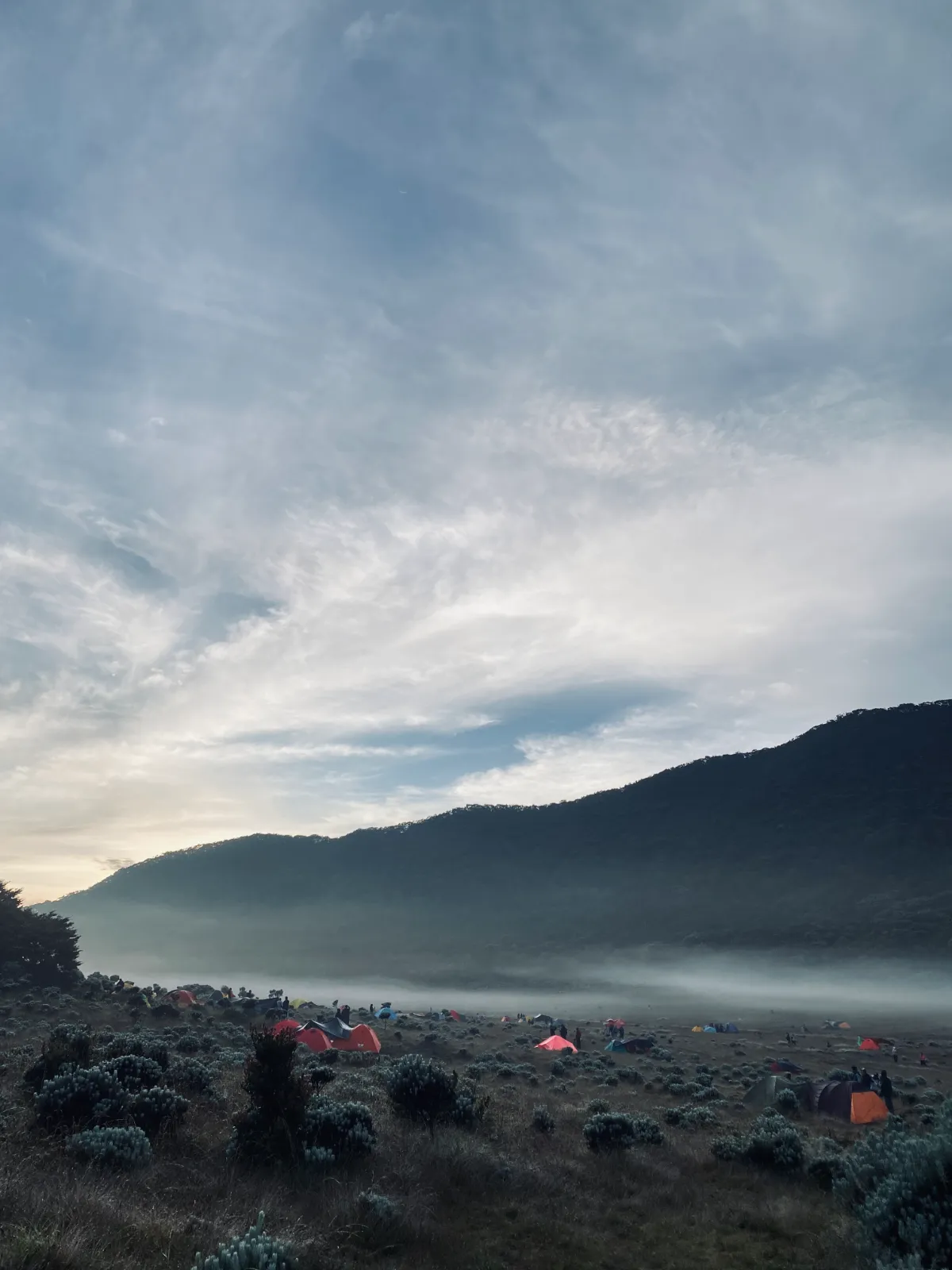
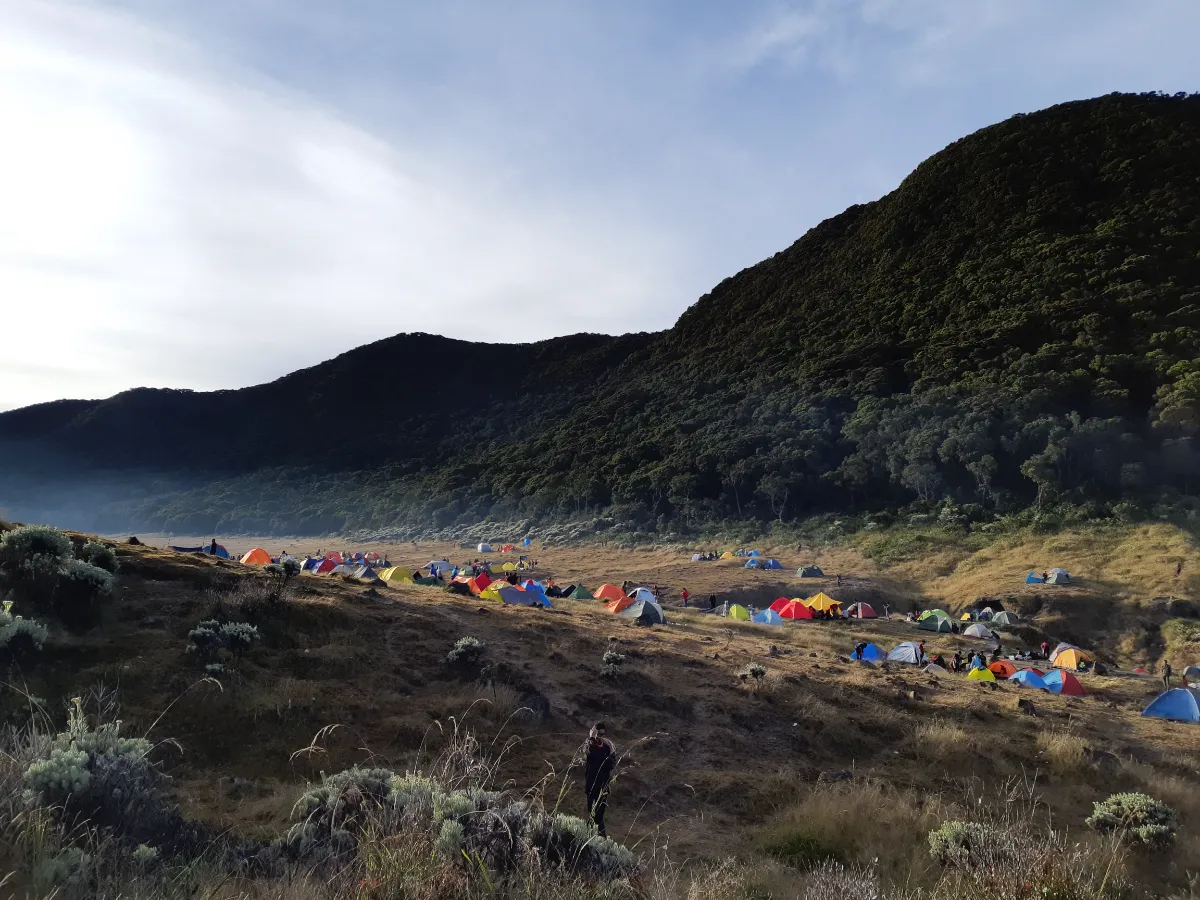
Situated at approximately 2,400 m, Kandang Badak is a key resting and camping area connecting the trails to both Mount Gede and Mount Pangrango. Many climbers choose to set up their tents here for an overnight stay before starting their summit attempt in the early morning. There's no separate fee for camping here beyond the climbing permit.
Alun-alun Surya Kencana (Surya Kencana Square)
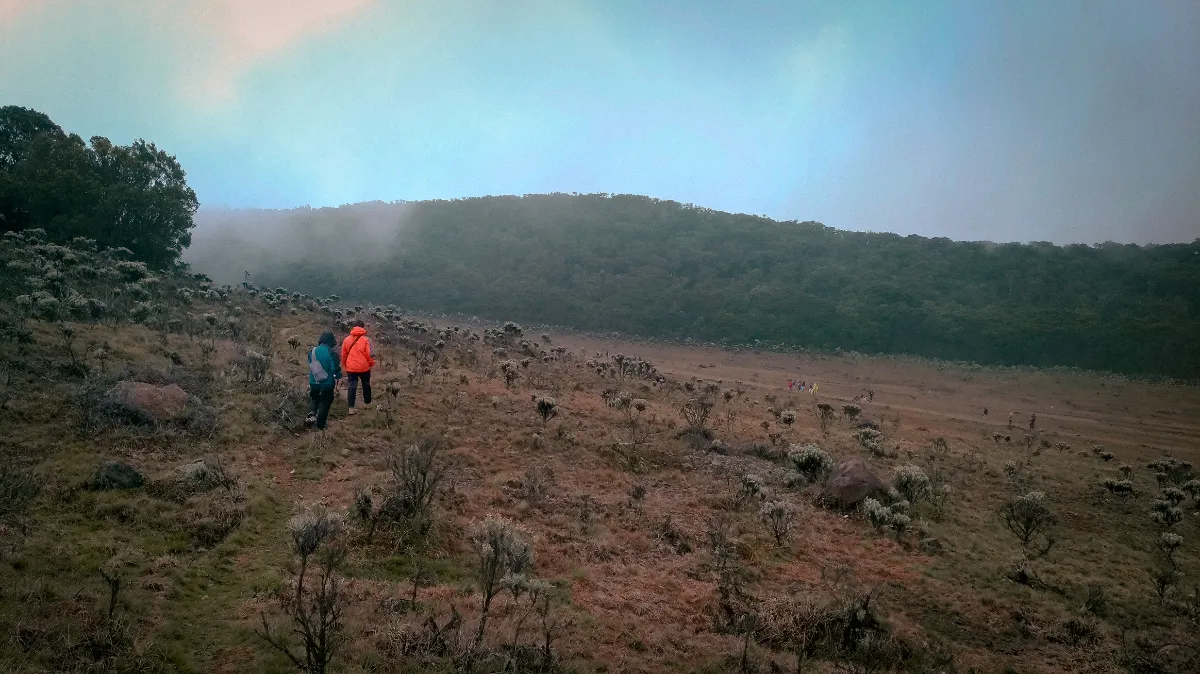
This expansive meadow, formed from Mount Pangrango's inactive crater, is famous for its clusters of Javanese edelweiss flowers. The panoramic views from Alun-alun Surya Kencana are iconic and a major highlight of the TNGGP. It's an excellent spot for photography and enjoying the unique alpine environment.
Puncak Gunung Gede (Gede Summit)
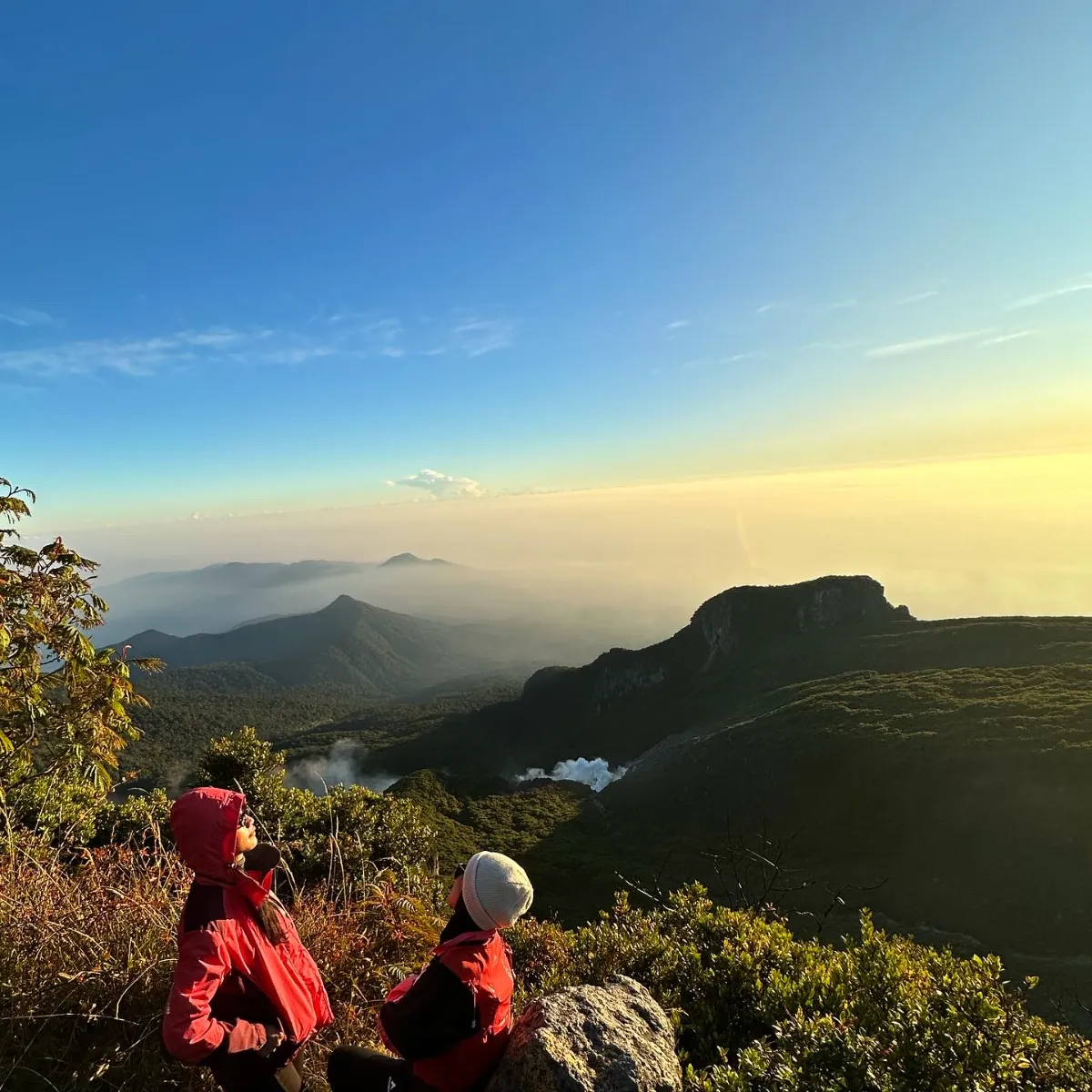
Reaching an elevation of 2,958 m, the summit of Mount Gede features an active crater complex, including Kawah Ratu, Kawah Wadon, Kawah Lanang, and Kawah Baru. From here, climbers are treated to breathtaking sunrise views, a sea of clouds, and expansive panoramas of Mount Pangrango. The trail from Cibodas to Puncak Gede is about 9.7 km and takes approximately 5 hours to ascend.
Puncak Gunung Pangrango (Pangrango Summit)
At 3,019 m, Mount Pangrango holds the distinction of being the highest peak within the TNGGP area. Unlike Mount Gede, it features an inactive crater that now forms Alun-alun Surya Kencana. The views from Pangrango's summit are equally spectacular, offering a different perspective of the surrounding mountain ranges. For another challenging yet rewarding climb to an active volcano, consider a trip to Mount Papandayan in Garut, known for its unique landscapes.
How Much Does it Cost to Climb Mount Gede Pangrango?
Prices are converted from Indonesian rupiah at a fixed rate of 18,000 rupiah per US$1, so the amount you pay at the gate may differ slightly.
The cost of entry and climbing permits for Gunung Gede Pangrango National Park varies based on the activity, day of visit (weekday or holiday), chosen trail, and nationality. Below are the general fees for Indonesian nationals (WNI) using the Cibodas or Gunung Putri trails as of October 2026:
- One-day nature tourism: $1.22 (weekday) / $1.78 (holiday) per person.
- Two-day, one-night climbing: $4.00 (weekday) / $5.11 (holiday) per person.
- Two-day, one-night camping: $2.89 (weekday) / $4.00 (holiday) per person.
For international visitors (WNA), the two-day, one-night climbing permit via Cibodas or Gunung Putri trails costs $24.17 per person as of October 2026. Fees for the Selabintana trail may differ slightly. It is always advisable to check the latest rates directly through the official TNGGP channels before your trip. For more volcanic experiences, explore the dramatic landscape of Mount Tangkuban Perahu, an active volcano easily accessible from Bandung.
The total time needed for a comprehensive climb to either Mount Gede or Mount Pangrango, including breaks and an overnight stay, is typically two days and one night. The round trip trekking time alone can range from 10 to 14 hours or more, depending on physical fitness and weather conditions.
Practical Tips for Visiting Mount Gede Pangrango
- Book Online: Always register for your climb through the official TNGGP system to ensure you secure a spot and follow regulations.
- Wear Appropriate Footwear: Sturdy hiking shoes with strong grip are essential, as trails can become slippery, especially during rain.
- Dress Warmly: Temperatures at the summit can be very cold (10-18 degrees Celsius). Bring a thick jacket, gloves, and head protection (beanie or hat).
- Stay Hydrated and Energized: Carry sufficient drinking water and high-energy snacks or food to sustain you throughout the trek.
- Check Weather Conditions: Avoid climbing during bad weather or if there are volcanic activity warnings.
- Adhere to Park Rules: Follow all national park regulations, including the designated ascent and descent times. Do not leave any trash behind.
- Hike Safely: If you are inexperienced, avoid hiking alone. Consider going with a guide or an experienced group.
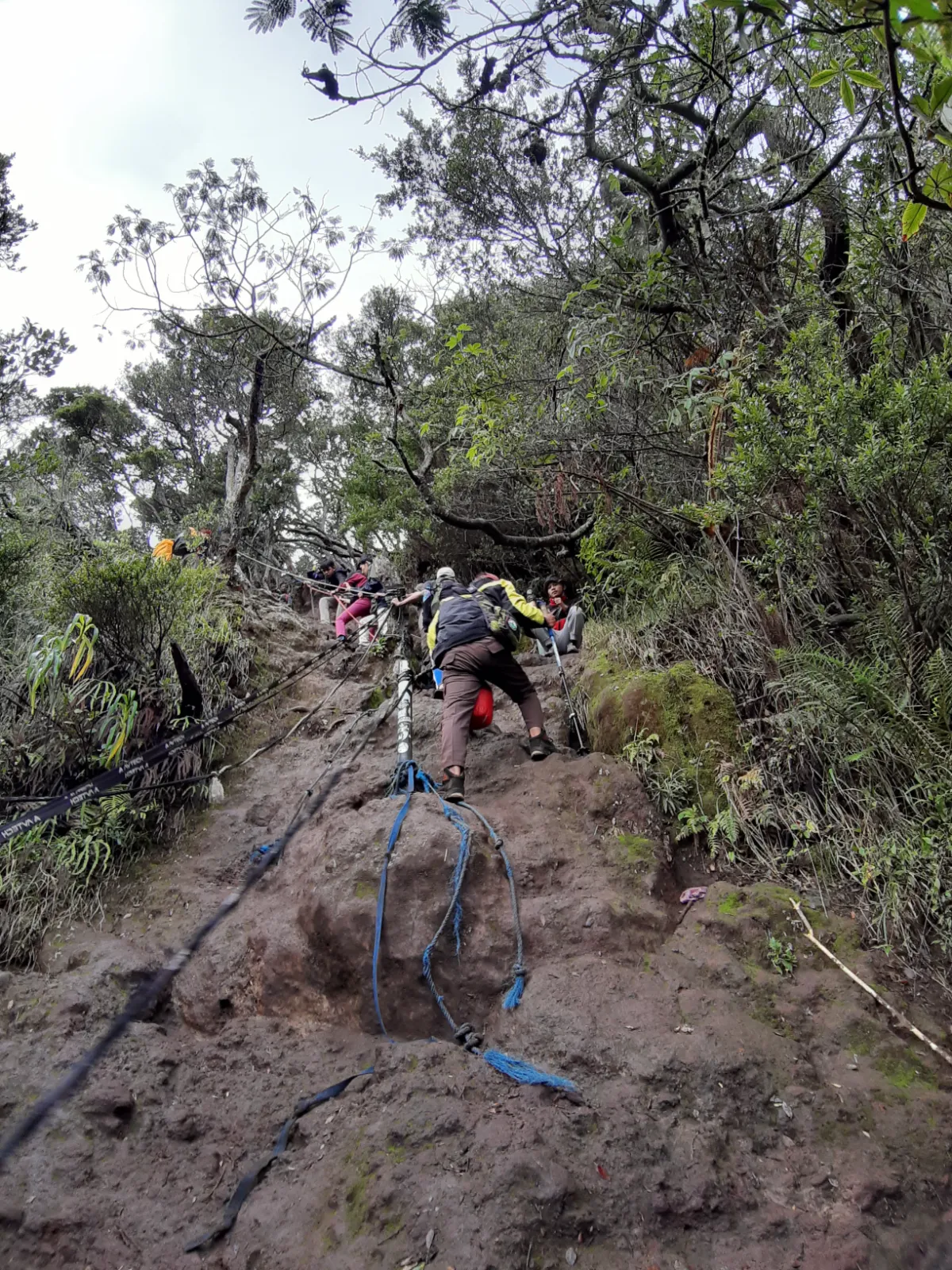
- Prioritize Health: Get a medical check-up before your hike and be realistic about your physical limits. The climb involves consistent ascents and can be tiring.
Frequently asked questions
Where is Mount Gede Pangrango located?
Mount Gede Pangrango is situated within the Gunung Gede Pangrango National Park in West Java, spanning the regions of Bogor, Sukabumi, and Cianjur.
What are the heights of Mount Gede and Mount Pangrango?
Mount Gede has an elevation of approximately 2,958 meters above sea level, while Mount Pangrango is higher at around 3,019 meters above sea level.
How long does it take to climb Mount Gede Pangrango?
From the Cibodas trail, the ascent to the summit takes approximately five hours. The total duration for a complete climbing expedition is typically two days and one night.
How much does it cost to climb Mount Gede Pangrango?
For Indonesian nationals, a two-day, one-night climbing permit via Cibodas or Gunung Putri costs $4.00 on weekdays and $5.11 on holidays. For international visitors, the same permit costs $24.17 as of October 2026.
Which trail is best from Bandung?
The Cibodas trail is the most practical and popular choice when coming from Bandung. It is located in the Cipanas, Cianjur area, approximately 89 km away, with an estimated two-hour drive by private vehicle.
Is Mount Gede still active?
Yes, Mount Gede is an active volcano with several craters. Its activity is regularly monitored, and climbing is permitted only when conditions are deemed safe by the TNGGP authorities.
Location & Map
Mount Gede · Open in Google Maps
Highlights
-
Telaga Biru
Included in permitA clear, blue lake and a popular resting spot along the Cibodas trail.
View on map -
Air Terjun Cibeureum
$1.22-1.78 as of October 2026A three-stream waterfall, ideal for a one-day nature trip from Cibodas.
View on map -
Kandang Badak
Included in permitA crucial resting and camping area at 2,400 m, between the two summits.
View on map -
Alun-alun Surya Kencana
Included in permitExpansive meadow known for Javanese edelweiss, offering iconic views.
View on map -
Puncak Gunung Gede
Included in permitThe 2,958 m summit featuring active craters and stunning sunrise views.
View on map -
Puncak Gunung Pangrango
Included in permitThe highest peak at 3,019 m, offering panoramic views and a serene landscape.
View on map
Keep reading

Pangandaran Beach: Your Complete Guide to West Java's Coastal Gem
Discover Pangandaran Beach, West Java's popular coastal destination. This guide covers how to get there, what to do, costs, and tips for your trip.

Mount Papandayan: Complete Guide to the Garut Volcano
Discover Mount Papandayan, an active stratovolcano in Garut. Explore steaming craters, a dead forest, and edelweiss fields. Entry starts at $11.

Braga Street Bandung: Paris of Java's Historic Charm
Explore Braga Street, Bandung's historic "Paris of Java," known for colonial architecture, vibrant cafes, and free public access. Plan your visit for nightlife and cultural experiences.