Asia-Africa Conference Museum Bandung

Photo gallery
- Location
- Jalan Asia Afrika No. 56, Braga, Sumur Bandung, Kota Bandung, West Java
- Conference Date
- April 18-24, 1955
- Museum Inauguration
- April 24, 1980
- Operating Days
- Tuesday-Sunday
- Typical Time Needed
- 1-2 hours for museum, 2-3 hours for surrounding area
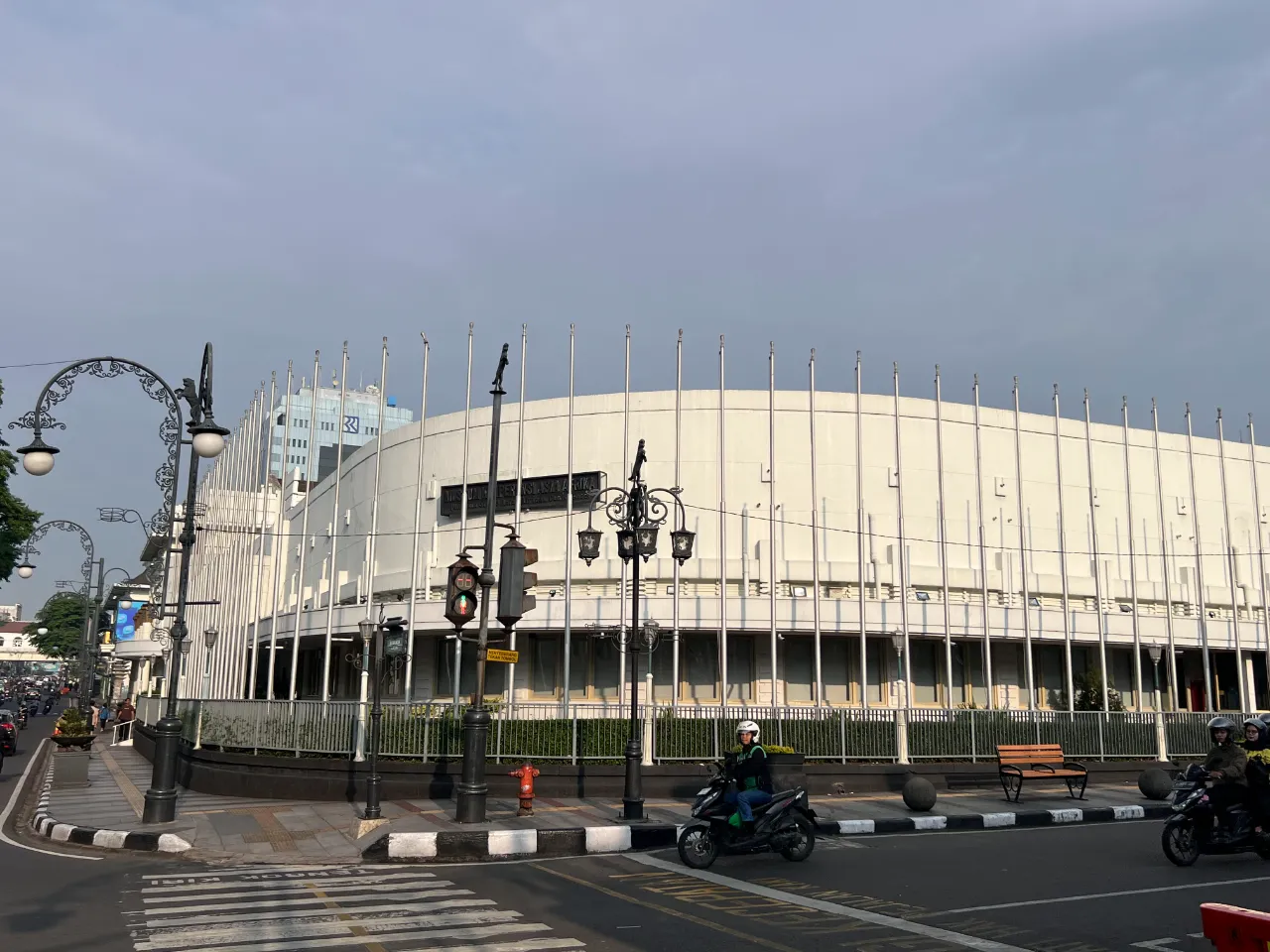
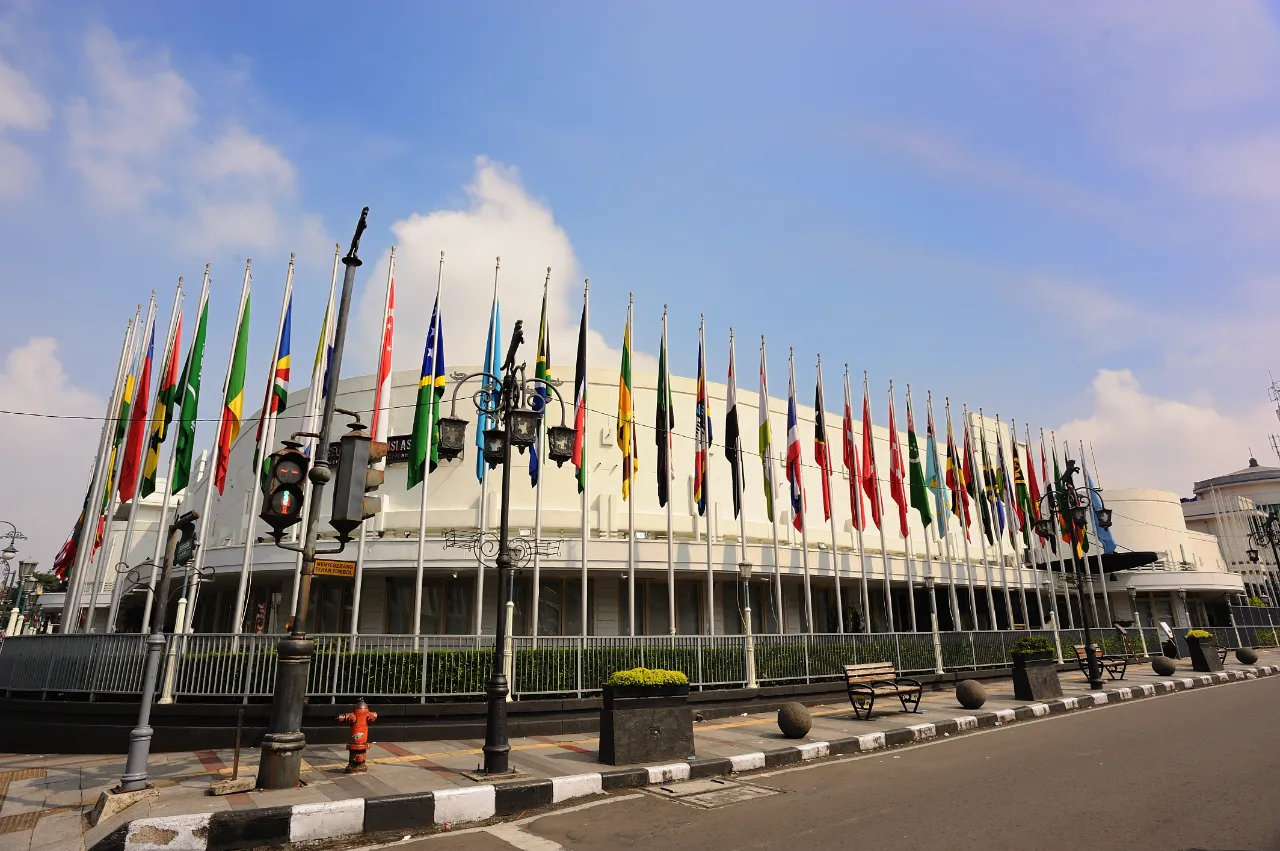
The Asia-Africa Conference Museum, located within the historic Gedung Merdeka on Jalan Asia Afrika in downtown Bandung, offers a profound journey into the 1955 Asian-African Conference, a landmark event in global history. This pivotal meeting brought together 29 newly independent Asian and African nations, representing 1.5 billion people, to advocate for economic and cultural cooperation and oppose colonialism. The museum, inaugurated in 1980, serves as a crucial reminder of Bandung's role in shaping post-colonial international relations.
How to Get to the Asia-Africa Conference Museum from Bandung
The museum's central location on Jalan Asia Afrika (Asia Africa Street) in Bandung city center makes it highly accessible. From most points within Bandung, you can reach the museum easily by taxi, ride-hailing services like Grab or Gojek, or local public transport (angkot). It is situated at Jalan Asia Afrika No. 56. The strategic location means travel time from most central Bandung hotels is usually short, typically 10-20 minutes depending on traffic.
Best Time to Visit the Asia-Africa Conference Museum
To make the most of your visit to the Asia-Africa Conference Museum, plan to go on a weekday morning. The museum is open from Tuesday to Thursday between 8:00 AM and 4:00 PM, and on Friday from 2:00 PM to 4:00 PM. Weekend hours are Saturday and Sunday from 9:00 AM to 4:00 PM. Arriving earlier in the day on weekdays might offer a quieter experience, allowing you to explore the exhibits without large crowds. The area around Jalan Asia Afrika also gets busy, especially on weekends and public holidays.
What to See and Do at the Asia-Africa Conference Museum and Surroundings
The museum and its historical surroundings provide a rich educational and photographic experience, allowing visitors to delve into a significant chapter of international diplomacy and explore Bandung's urban heritage.
Explore the Museum and Gedung Merdeka
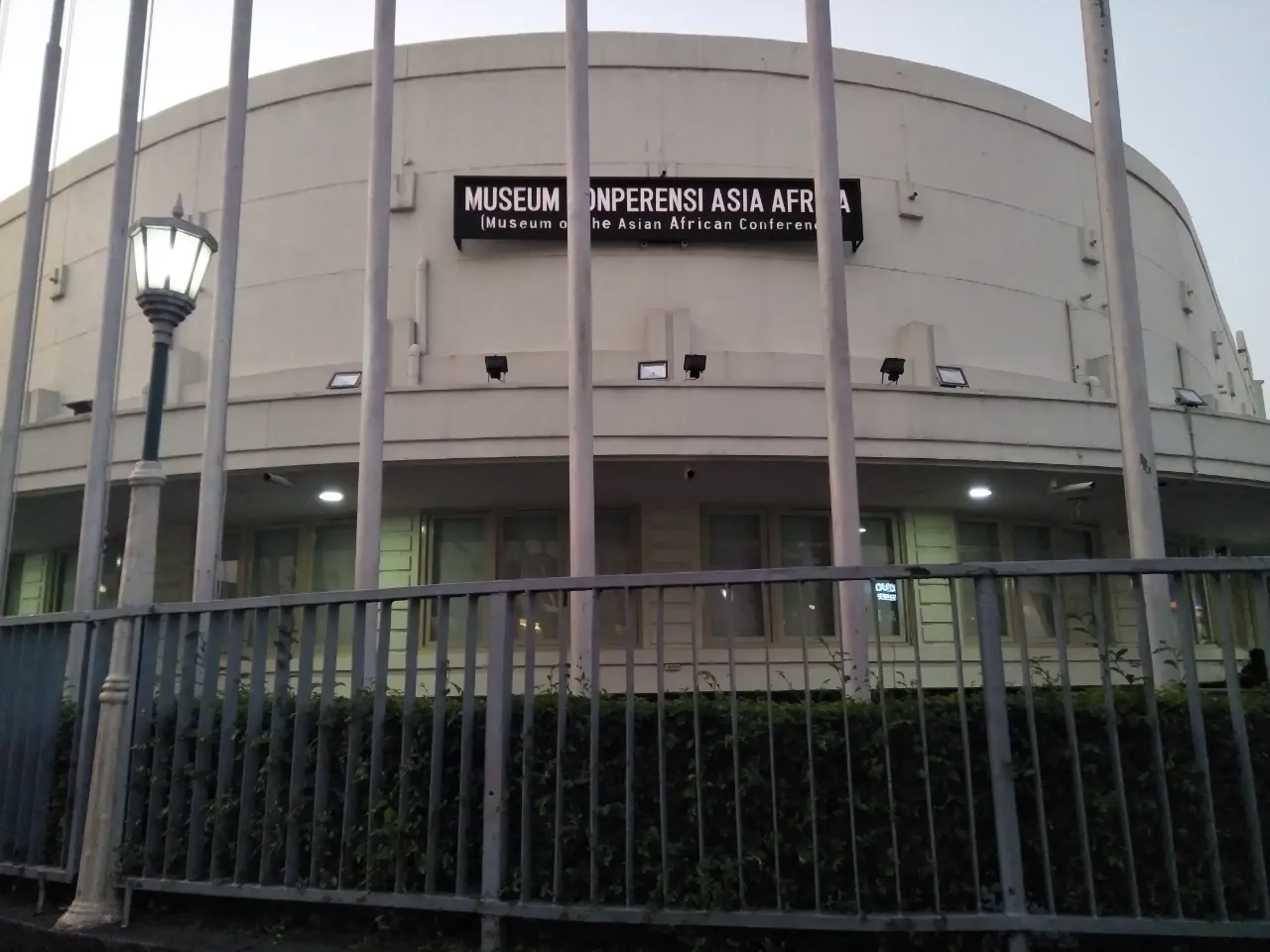
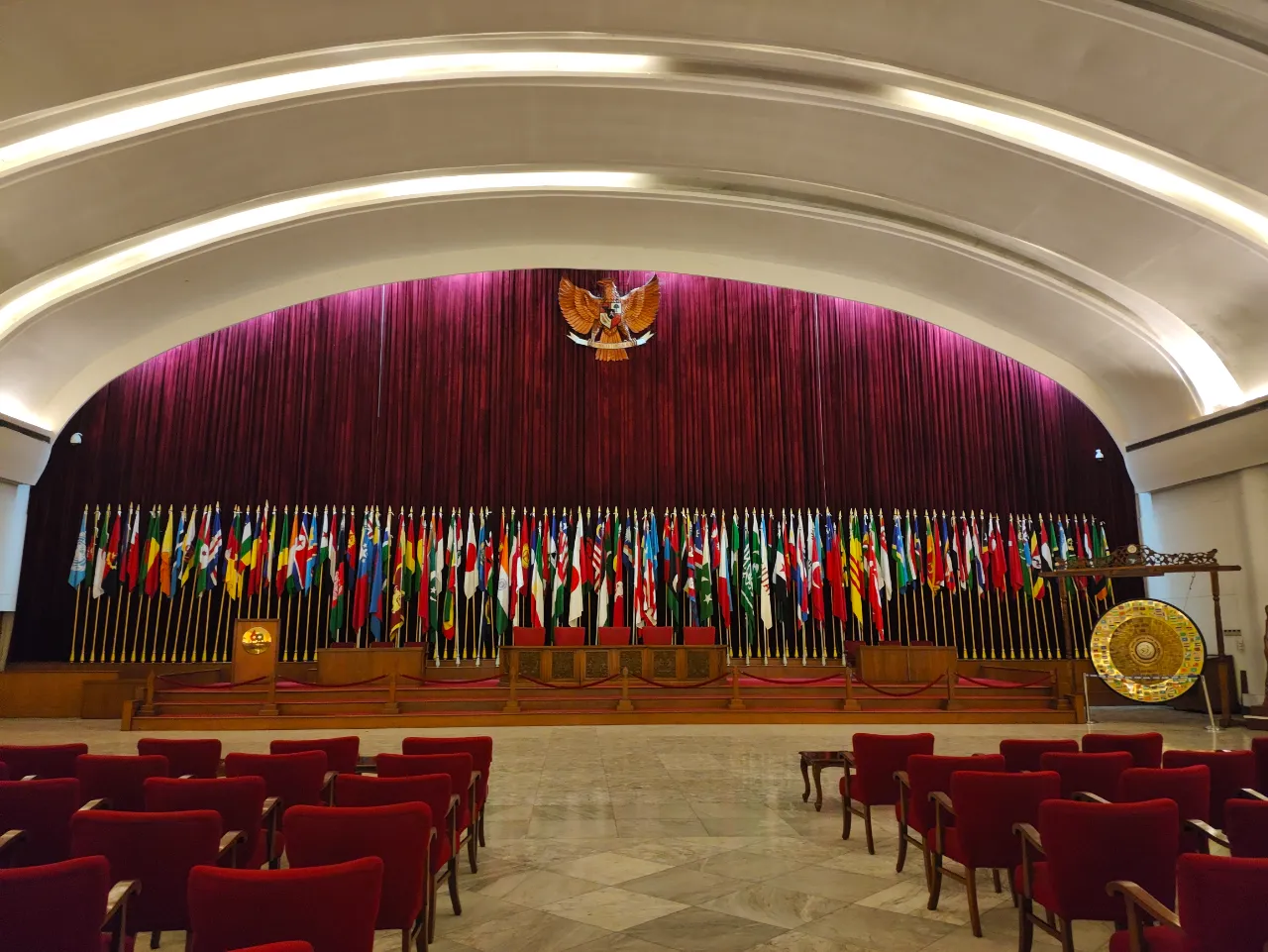
The centerpiece of your visit is the Museum Konferensi Asia Afrika, located inside the majestic Gedung Merdeka (Independence Building). This very hall witnessed the historic Asian-African Conference from April 18 to 24, 1955. The conference was a gathering of leaders from 29 Asian and African states, many of which had recently gained independence. These nations, collectively representing 1.5 billion people—over half the world's population at the time—convened to promote Afro-Asian economic and cultural cooperation and to actively oppose colonialism and neocolonialism.
Key organizers included Indonesian President Sukarno, Indian Prime Minister Jawaharlal Nehru, and Chinese Chairman Mao Zedong (through his Premier and Foreign Minister Zhou Enlai). The conference was a significant step towards the eventual Non-Aligned Movement (NAM), aiming to establish a unified non-aligned identity independent of both Western and Soviet influences during the Cold War. Discussions also addressed pressing issues such as tensions between the People's Republic of China and the United States, opposition to French neocolonialism in North Africa, and Indonesia's claim to West New Guinea.
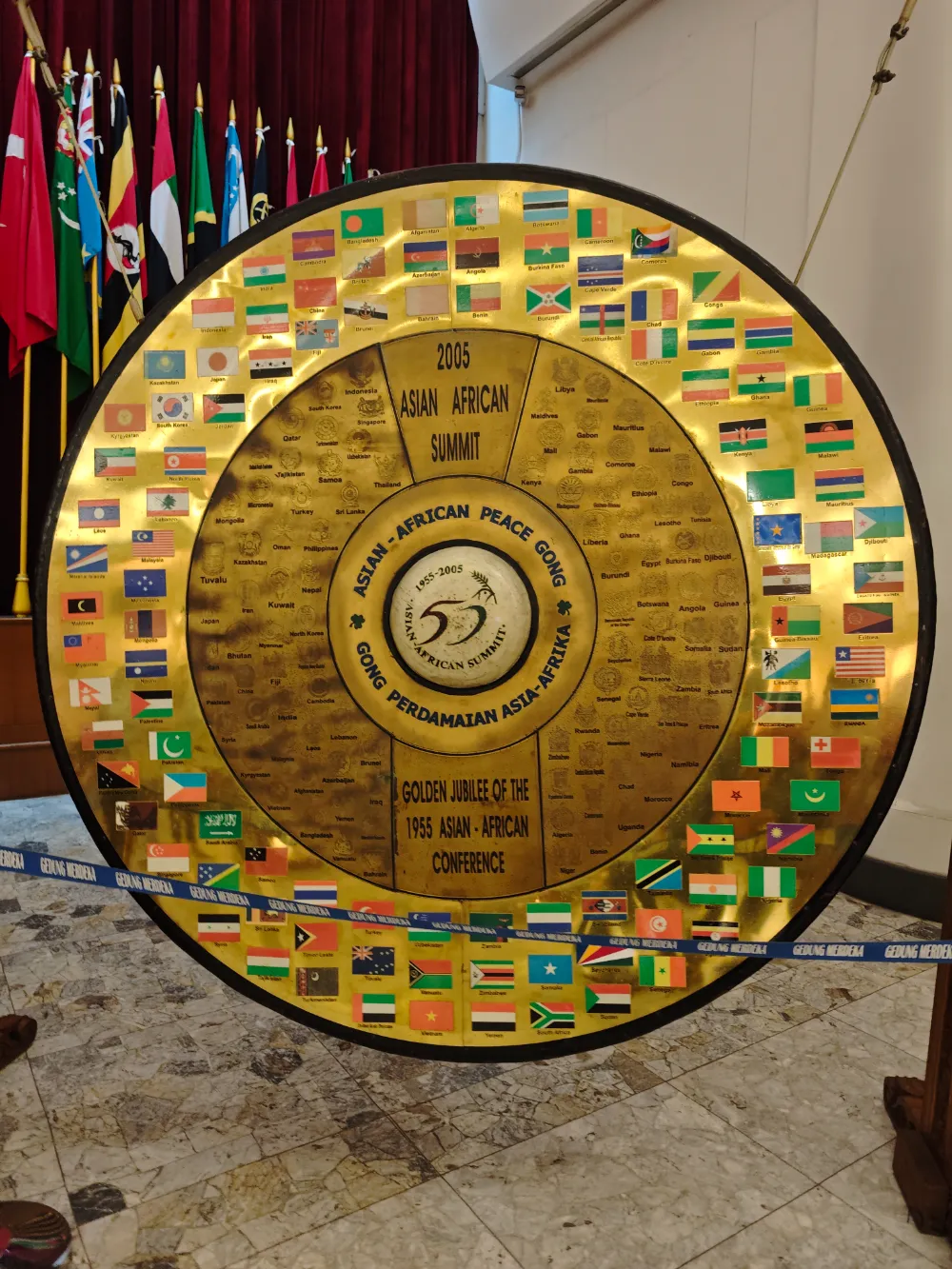
The building itself has a rich past, originally named Societeit Concordia since 1895. After hosting the momentous conference, it was renamed Gedung Merdeka and later, following a period of neglect in the 1970s, it was officially dedicated as the Museum Konferensi Asia Afrika on April 24, 1980, by President Soeharto. Today, it is managed by the Directorate General of Information and Public Diplomacy under the Ministry of Foreign Affairs of Indonesia and the West Java Provincial Government. In 2005, Bandung once again hosted Asian and African leaders for the 50th anniversary, launching the New Asian–African Strategic Partnership (NAASP) to continue fostering cooperation.
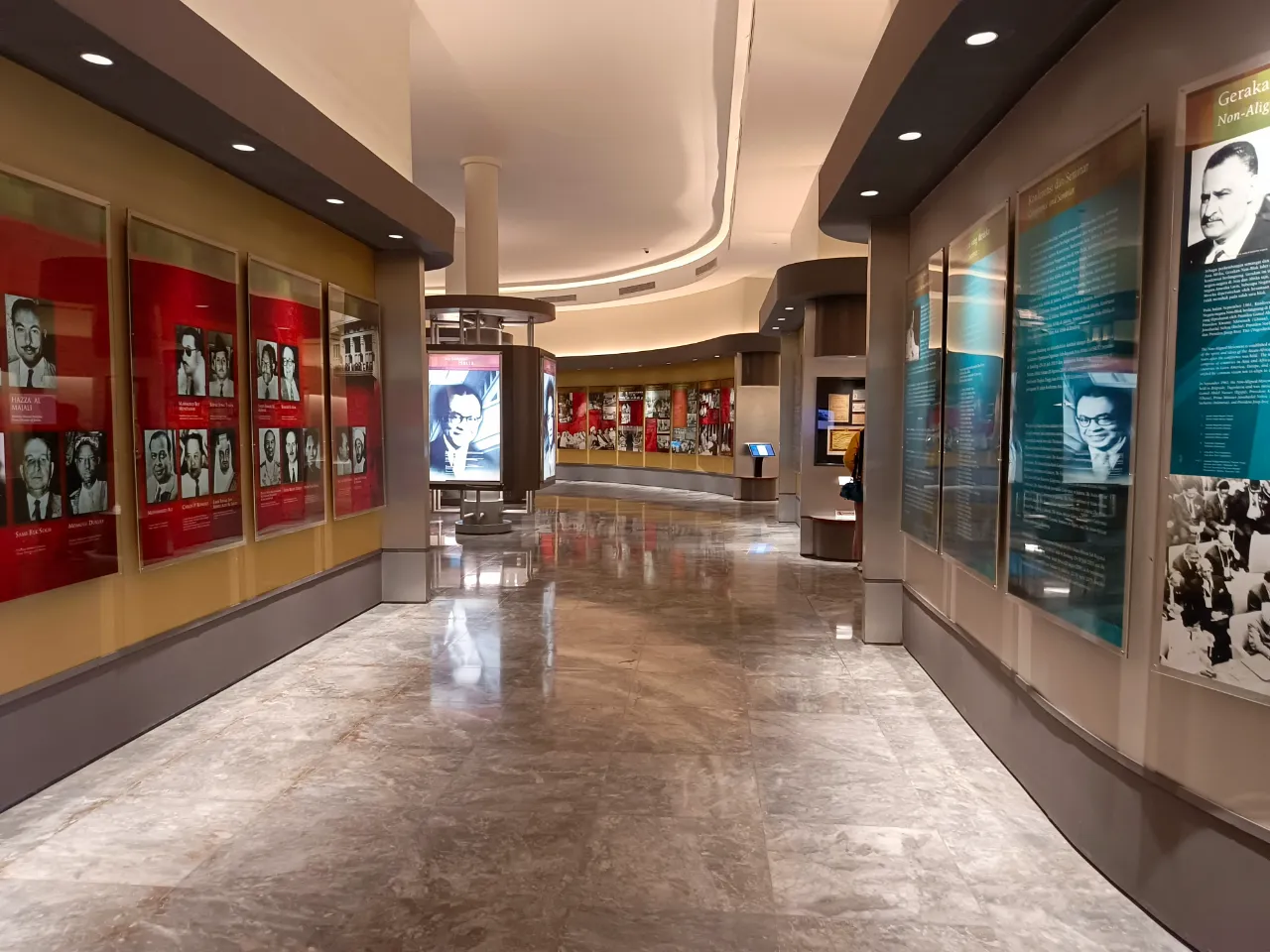
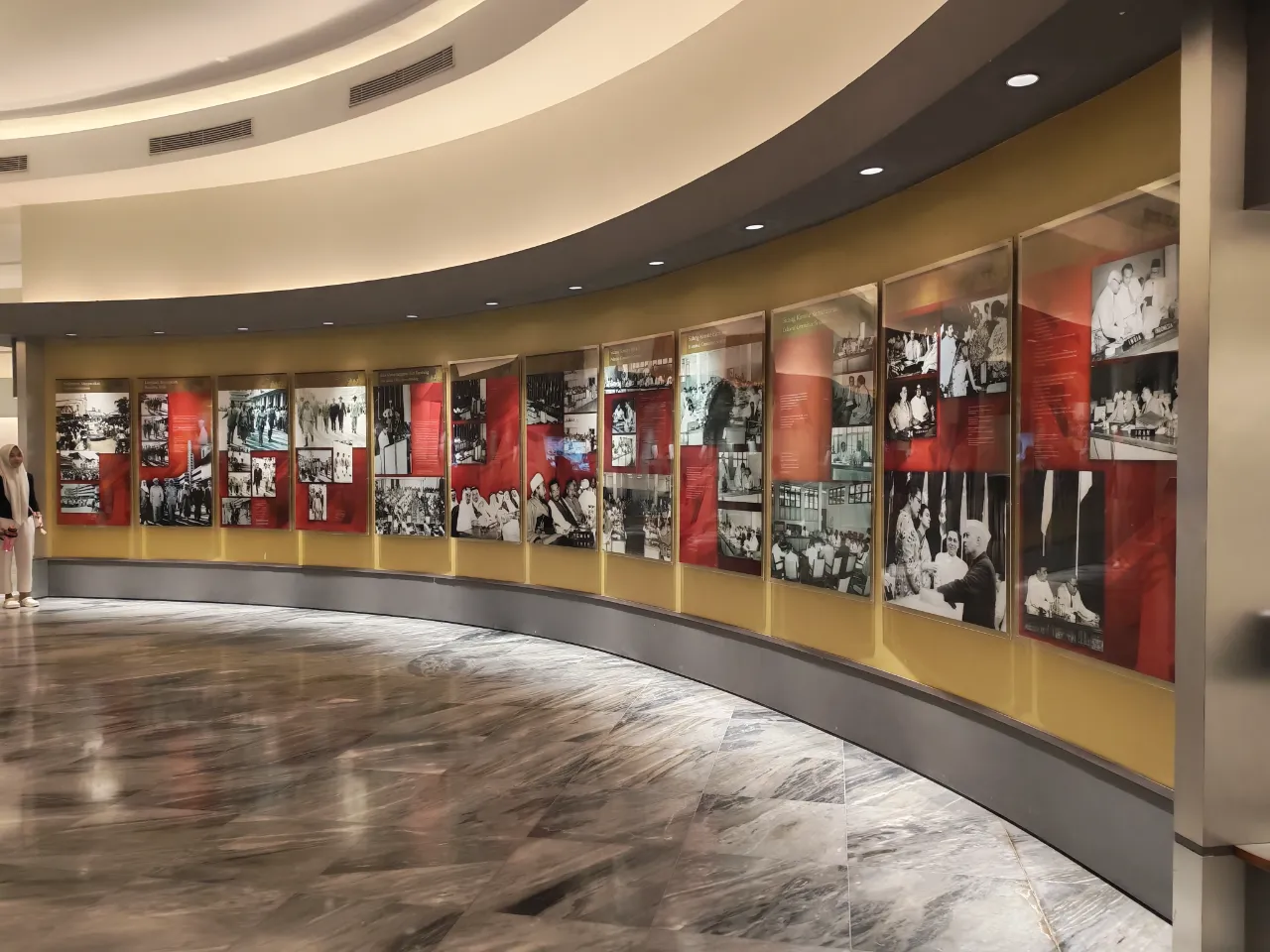
The museum's exhibits meticulously document this crucial period through artifacts, photographs, and historical documents. Visitors can trace the origins of the conference, understand the aspirations of its participants, and learn about its enduring legacy. Allow approximately 1 to 2 hours to fully immerse yourself in the historical displays. No entry fee information is provided in the sources; visitors should check the latest price at the gate.
Walk the Historic Asia Afrika Street
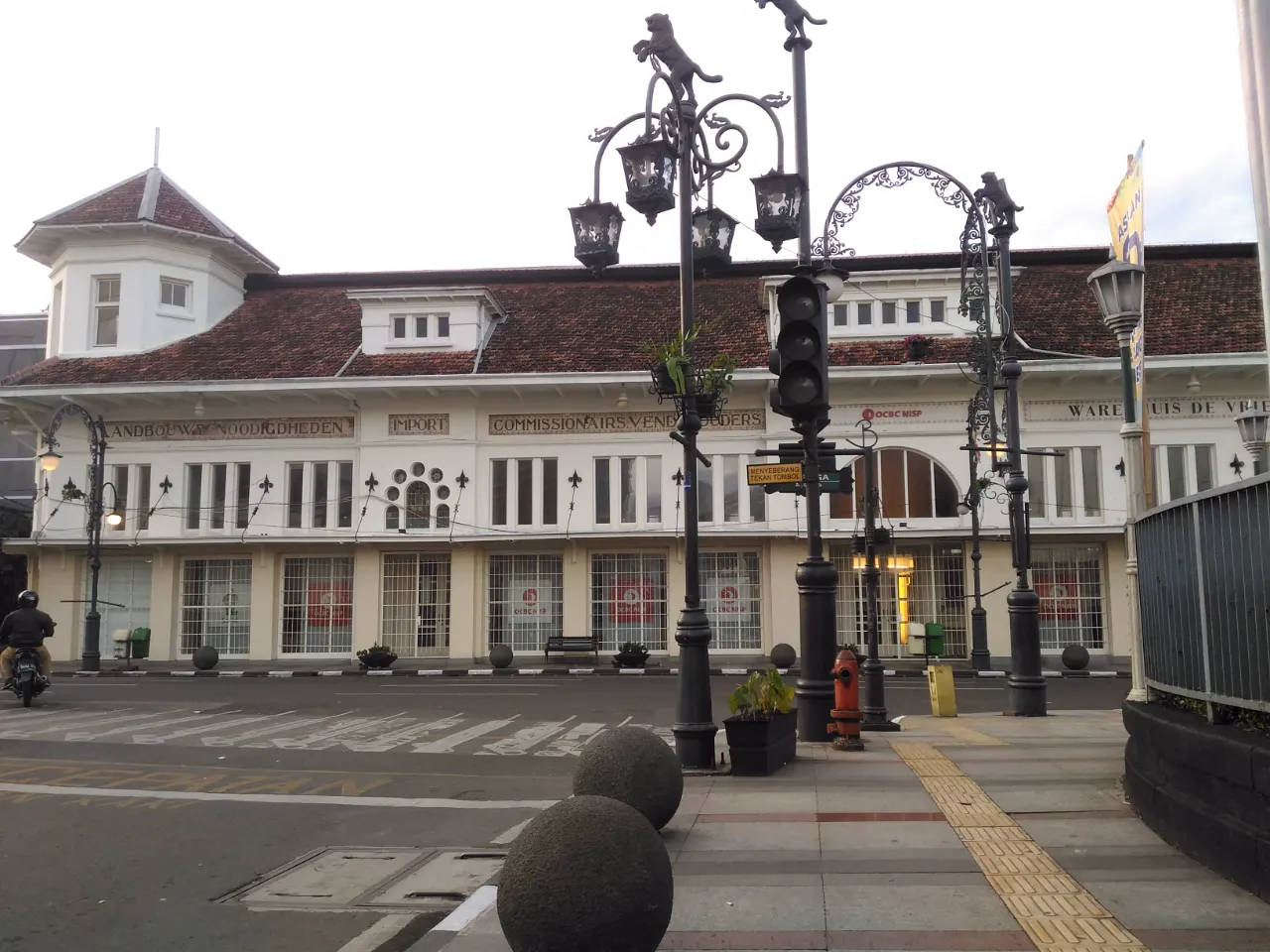
Jalan Asia Afrika itself is an experience, lined with historic buildings and bustling with activity. It served as a grand thoroughfare for delegates during the 1955 conference and continues to attract visitors who come to soak in the atmosphere and take photos. Notable structures include the Gedung Merdeka and the impressive Bank OCBC building directly opposite it. You can easily spend an hour strolling along this street, observing the architecture and the vibrant street life. This area offers a glimpse into Bandung's colonial past blended with its vibrant present. You can combine a visit to the Asia-Africa Conference Museum with a stroll down Braga Street, another historic area known for its colonial architecture and lively atmosphere, just a short walk away. For more on this charming area, see our guide to Braga Street Bandung.
Visit Nearby Historical Landmarks and Museums
Adjacent to Gedung Merdeka, you'll find the Titik Nol Bandung (Bandung Zero Point) monument, located in front of the West Java Bina Marga Office. This marks a significant geographical point in the city and is a popular spot for photographs. Just a short walk away is the Alun-Alun (City Square) and the magnificent Masjid Agung Bandung (Bandung Grand Mosque), offering a blend of historical and religious sightseeing. The area is also home to other museums, including the Museum Mandala Wangsit Siliwangi, Museum Geologi, and Museum Pos & Giro, making it ideal for a comprehensive historical tour.
Costs and Time Needed
No entry fee information is provided in the sources for the Asia-Africa Conference Museum. There are no listed costs for visiting Jalan Asia Afrika or other nearby public landmarks like the Alun-Alun and Grand Mosque. You should budget for transportation, food, and any personal expenses. A thorough visit to the museum typically takes 1 to 2 hours. If you plan to explore Asia Afrika Street and nearby attractions like the Alun-Alun, allow an additional 2 to 3 hours, making it a half-day excursion.
Where to Eat and Stay Nearby
Jalan Asia Afrika and its surrounding areas are rich with culinary options, ranging from street food vendors to cafes and restaurants, where you can sample local Bandung cuisine. For accommodation, numerous hotels are available along or near Jalan Asia Afrika, catering to various budgets. Staying in this central area provides convenient access to many of Bandung's main attractions, allowing you to explore the city's historical heart with ease.
Practical Tips and Mistakes to Avoid
- Check Operating Hours: Always confirm the museum's opening hours before your visit, especially on Fridays which have a later opening time.
- Combine with Other Sites: The museum is perfectly situated for a historical walking tour. Plan to visit the Bandung Zero Point, Alun-Alun, and Grand Mosque on the same trip to maximize your time.
- Weekend Crowds: Expect larger crowds on weekends and public holidays, both inside the museum and along Jalan Asia Afrika. If you prefer a quieter visit, aim for weekdays.
- Photography: Photography is generally allowed inside the museum, but always be respectful of the exhibits and other visitors.
- Dress Comfortably: You'll be doing a fair amount of walking, especially if you explore the surrounding street and attractions. Wear comfortable shoes and light clothing suitable for Bandung's climate.
- Explore Beyond the City: For a contrasting experience, consider a day trip to natural attractions outside the city center. You might enjoy the unique volcanic landscapes and thermal springs of Mount Tangkuban Perahu in Lembang. For another stunning natural escape, travel south to Kawah Putih (White Crater) Ciwidey, a remarkable volcanic lake known for its eerie, changing colors.
Frequently asked questions
What is the Asia-Africa Conference Museum?
The Asia-Africa Conference Museum, located in Gedung Merdeka in Bandung, commemorates the historic 1955 Asian-African Conference where 29 newly independent nations gathered to promote cooperation and anti-colonialism.
Where is the Asia-Africa Conference Museum located?
It is centrally located on Jalan Asia Afrika No. 56, Braga, Sumur Bandung, Kota Bandung, West Java, making it easily accessible from various parts of the city.
What are the opening hours for the museum?
The museum is open Tuesday to Thursday from 8:00 AM to 4:00 PM, Friday from 2:00 PM to 4:00 PM, and Saturday to Sunday from 9:00 AM to 4:00 PM.
Is there an entry fee for the Asia-Africa Conference Museum?
The sources do not provide information on an entry fee for the museum; visitors are advised to check the latest price at the gate.
What other attractions are near the museum?
Nearby attractions include the Bandung Zero Point monument, Alun-Alun (City Square) and Bandung Grand Mosque, and other museums such as the Museum Mandala Wangsit Siliwangi and Museum Geologi.
Location & Map
Asia-Africa Conference Museum · Open in Google Maps
Highlights
-
Asia-Africa Conference Museum
Historic museum commemorating the 1955 Asian-African Conference. Allow 1-2 hours.
Jalan Asia Afrika No. 56, Braga, Sumur Bandung, Kota Bandung, West Java
View on map
Keep reading

Braga Street Bandung: Paris of Java's Historic Charm
Explore Braga Street, Bandung's historic "Paris of Java," known for colonial architecture, vibrant cafes, and free public access. Plan your visit for nightlife and cultural experiences.

Mount Gede Pangrango: West Java's Iconic Twin Volcanoes
Explore Mount Gede Pangrango, West Java's twin volcanoes. Hike to 2,958m, see edelweiss fields, and stunning sunrises on a 2-day trip.

Pangandaran Beach: Your Complete Guide to West Java's Coastal Gem
Discover Pangandaran Beach, West Java's popular coastal destination. This guide covers how to get there, what to do, costs, and tips for your trip.